
REFERENCE Wikipedia, read on Browse · 2 min read
Saada Governorate
Governorate of Yemen
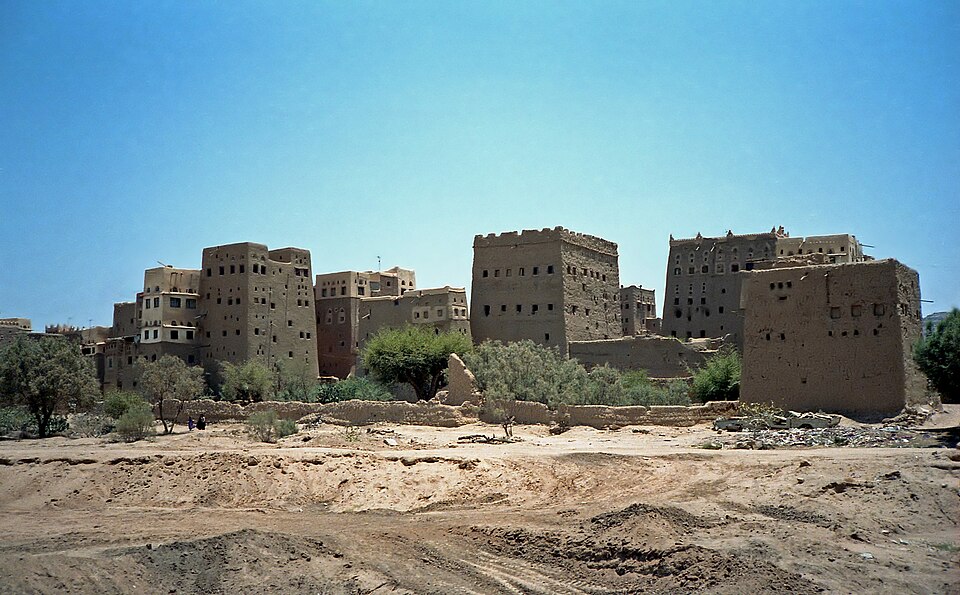
Saada (Arabic: صَعْدَة, romanized: Ṣaʿdah) or Sa'dah is one of the governorates of Yemen. Located in the northern part of the country, approximately 242 km (150 mi) northwest of the national capital Sanaa, along the border with Saudi Arabia. It covers an area of approximately 11,375 km2 (4,392 sq mi) and is subdivided into 15 districts. Its capital is Saada. According to the 2004 population census, it had a population of 695,033, and had an estimated population of 1,306,831 in 2025. It is the epicentre of Zaydism.
History
The historic city of Saada is one of the oldest continuously inhabited settlements in Yemen, with evidence of human occupation dating to prehistoric times. The city was founded in the ninth century CE and subsequently became an important centre during the Islamic period. It is the epicentre of Zaydism. Several Zaydi movements have emerged in Saada Governorate throughout history, the most prominent of which in modern times is the Houthi movement.
Geography
Saada is one of the governorates of Yemen. It is located in the northwestern part of the country, approximately 242 km (150 mi) from the national capital Sana'a. It is bordered by Hajjah and Amran Governorates to the south and Al-Jawf Governorate to the east. It shares land border with Saudi Arabia to the north and west. It occupies an area of approximately 11,375 km2 (4,392 sq mi). It has its seat at Saada.
The terrain of the governorate becomes increasingly mountainous and reaches elevations of 2,050 m (6,730 ft) in the far west. Between these mountains and Saada city, the terrain is peppered with basins and wadis, ultimately dropping to form arid plains in the east. Its climate varies according to elevation, with relatively moderate summers and cold winters. Temperatures range between 10 to 26 °C (50 to 79 °F) in summer and 0 to 16 °C (32 to 61 °F) in the winter. Rainfall varies greatly according to location. The western mountains of Razih receive about 100 cm (39 in) of rain annually, while arid regions east of the governorate's capital receives only 5 cm (2.0 in).
Administration and sub-divisions
The governorate is administered by a local council consisting of 15 members and the governor. Saada Governorate is divided into 15 districts.
Demographics
According to the 2004 census, Saada Governorate had a population of 695,033. The population was estimated to be 838,000 in 2011. According to a 2025 estimate, its population was 1,306,831, comprising 664,682 males and 642,149 females.
Economy
Major agricultural products include cereals, vegetables and fruits. The governorate contributed approximately 3.5% of Yemen's total crop production before the civil war. Approximately 136,596 hectares (337,540 acres) of arable land was available in the governorate. Handicrafts and stone quarrying for construction materials are other economic activities in the governorate. Cross-border trade with Saudi Arabia was historically an important commercial activity, although movement has been restricted by the militarisation of the border.
In 2014, central government grants and subsidies accounted for approximately 94% of the governorate's general revenue, while locally generated revenues contributed 6%. The poverty rate was estimated at 84.5% in the same year.