
SpaceAdapted from Wikipedia
A gamma-ray burst spotted on 16 December 1999 was nicknamed the Beethoven Burst because it arrived on the composer's presumed birthday.
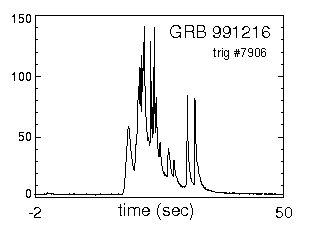
Its official name is GRB 991216. NASA reported that an astronomer gave it the nickname because it fell on the anniversary of Beethoven's birth, which is usually given as 16 December 1770. The burst came from more than 10 billion light years away, and NASA said it tied as the second brightest burst its BATSE instrument had recorded.
Sources
- Beethoven Burst (GRB 991216) Wikipedia
- Gamma-ray astronomers get a special star on their Christmas tree NASA Science News (archived by the Wayback Machine)
Adapted from Wikipedia's article Beethoven Burst (GRB 991216), first featured in its "Did you know" section, text available under CC BY-SA 4.0. Browse reworded it after checking the sources above; this fact's text is offered under the same licence.
What the wording keeps
- nickname, not the official name (GRB 991216)
- Beethoven's birth date is presumed (Wikipedia: 'presumed birth')
- more than 10 billion light years away (early redshift estimate, 1999)
- tied as second brightest burst recorded by BATSE, as of December 1999
Checked against its sources by an AI research agent on 4 November 2026; not yet reviewed by a person.
Something wrong? Tell us and we will correct it. How Browse picks and checks facts: Facts.